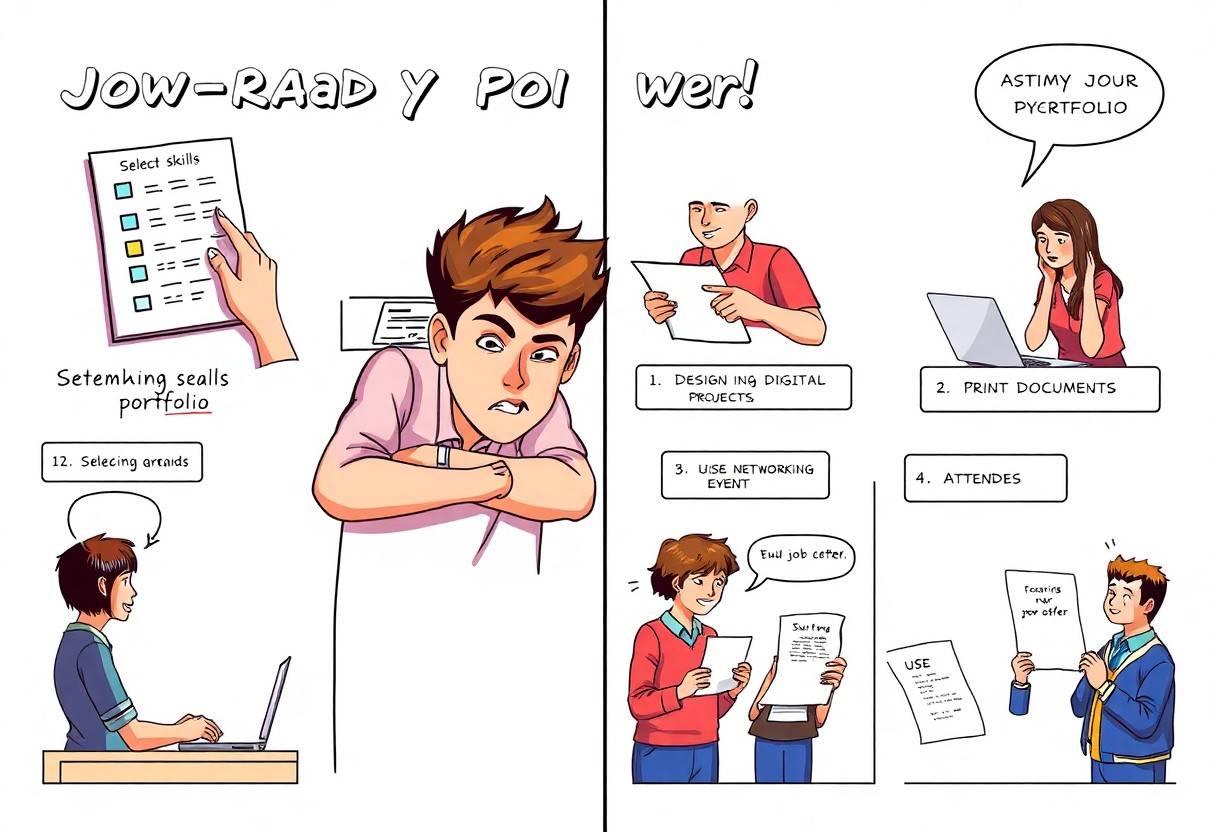
Just because you’re not attending university doesn’t mean you can’t create a highly effective job-ready portfolio. In this guide, I’ll show you how to showcase your skills and experiences in a way that impresses employers. You’ll learn to leverage free resources and platforms to build a compelling portfolio that highlights your talents. With the right approach, you can demonstrate your capabilities and increase your chances of landing that dream job.
Key Takeaways:
- Focus on building practical skills through self-directed learning, online courses, and workshops.
- Create and showcase real-world projects that demonstrate your abilities and interests in your field.
- Network with professionals and peers to gain insights, mentorship, and potential collaboration opportunities.
Understanding the Importance of a Portfolio
A portfolio serves as a visual and practical representation of your skills and accomplishments, proving to employers that you can deliver real results. It reflects your unique style and projects you’ve completed, demonstrating your growth and expertise in your field. Without a portfolio, you’re relying on a resume alone, which can often lack the depth needed to stand out in today’s competitive job market.
Defining a Job-Ready Portfolio
A job-ready portfolio is a carefully curated collection of your best work, tailored to showcase your specific skills and experiences relevant to the jobs you’re pursuing. This includes examples of projects, case studies, testimonials, and even relevant certifications or coursework, all demonstrating your ability to meet job demands effectively.
The Role of Portfolios in Job Applications
Portfolios play a pivotal role in job applications by providing tangible proof of your abilities. They complement resumes by offering visual examples that illustrate your expertise, making you a more memorable candidate. Many hiring managers view portfolios as imperative, with 65% of employers stating that they prefer candidates who include them in their applications.
In industries like design, writing, and tech, a strong portfolio can set you apart from other applicants. Hiring managers often seek specific projects that align with their needs, giving you the chance to highlight how your skills directly contribute to their goals. A well-organized portfolio helps you narrate your professional journey, making it easier for employers to see the value you offer beyond just a list of qualifications. This distinction can significantly influence hiring decisions, especially in creative fields where tangible outcomes speak louder than words.
Key Factors to Consider When Creating Your Portfolio
Your portfolio not only showcases your work but also reflects your personality and approach to your field. Consider these key factors while assembling it:
- Target Audience: Tailor your portfolio to the individuals or companies you want to impress.
- Quality over Quantity: Prioritize showcasing your best work rather than including every project.
- Visual Appeal: Ensure your portfolio has a professional design that complements your work.
- Updates: Regularly refresh your portfolio to include new projects and skills.
Assume that every detail counts toward presenting a compelling narrative of your professional journey.
Tailoring Your Portfolio to the Industry
Research specific industry standards and expectations to understand what employers value in a portfolio. Certain fields prioritize different skills and types of projects, so aligning your work examples with the demands of your target industry is vital for relevance.
Highlighting Relevant Skills and Experience
Displaying your relevant skills and experience can significantly enhance your portfolio’s impact. Focus on including projects that demonstrate your capabilities and relate to the roles you’re aiming for. Use concise descriptions to explain how each piece illustrates that skill set.
Utilizing the STAR method (Situation, Task, Action, Result) can effectively highlight your most significant achievements. For example, if you developed a web application, detail the specific challenge you addressed, the actions you took, and the results gained, such as improved user engagement metrics. This scrutiny not only presents your work but also quantifies its impact, giving employers compelling reasons to consider you.
How to Curate Your Work Samples
Curating your work samples involves selecting pieces that not only showcase your skills but also align with the job or industry you’re targeting. I prioritize diversity, ensuring that each sample reflects a different aspect of my expertise. A well-curated portfolio tells a cohesive story about who you are as a professional and can highlight your growth over time.
Choosing the Right Projects
Select projects that demonstrate your best work and are relevant to the role you’re pursuing. I often include a mix of personal, volunteer, and freelance projects that display a range of skills. Each project should highlight versatility and innovation, capturing not just what I did, but also the impact it had.
Presenting Your Work Effectively
Effective presentation of your work enhances its impact significantly. I use clean layouts and engaging descriptions to draw in viewers, ensuring each piece of my work is easy to understand and appreciate. This reflects my ability to communicate ideas clearly, a key asset in any job.
To present my work effectively, I often create a narrative around each project that includes the problem I aimed to solve, the process I followed, and the end results, quantified when possible. I incorporate visuals, such as images or videos, to illustrate my work, engaging potential employers visually while making complex concepts accessible. This storytelling approach adds depth to my portfolio, allowing viewers to see not just the finished product, but the thought and effort behind it.
Tips for Showcasing Your Portfolio Online
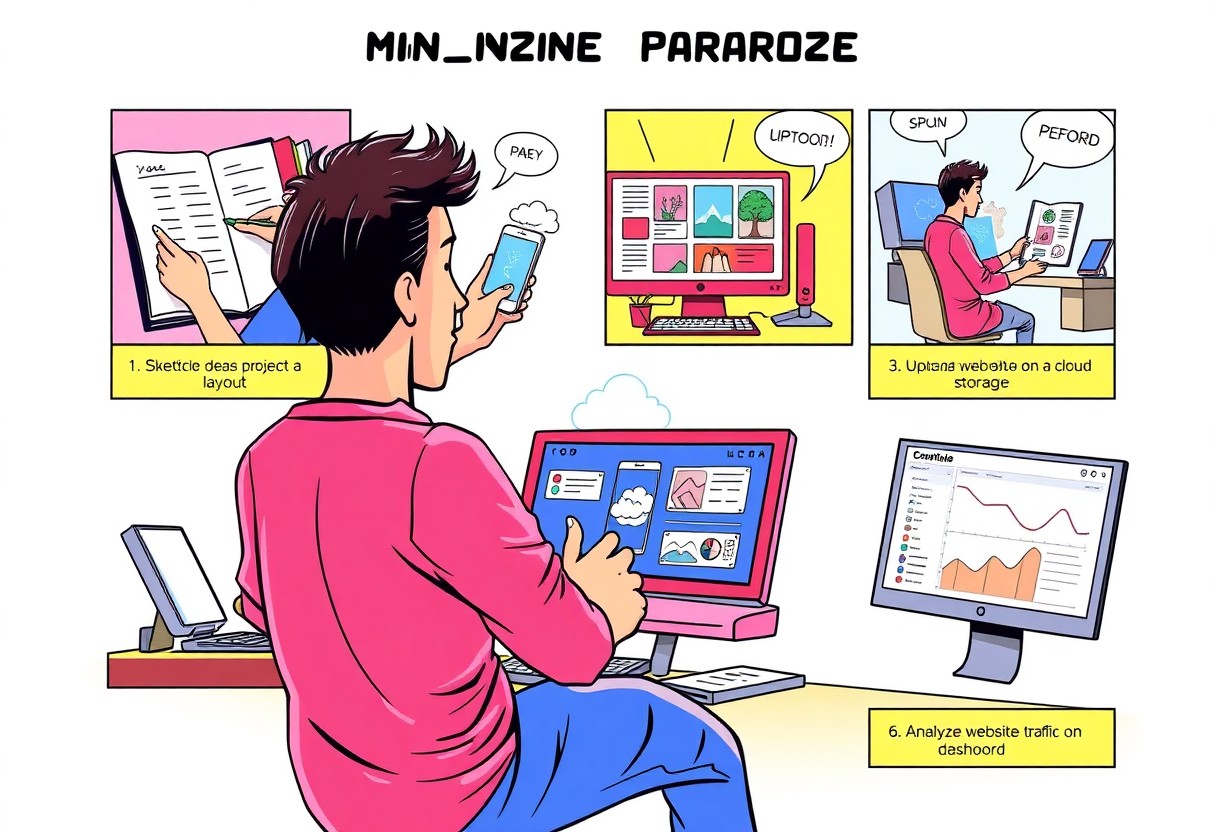
To effectively showcase your portfolio online, focus on aesthetics and usability. An appealing layout combined with a straightforward navigation structure keeps viewers engaged. Highlight your best work using high-quality images or embedded videos. Incorporate captivating descriptions for each project that clarify your role and the impact of your contributions. Utilize social proof, such as testimonials or case study links, to enhance credibility. Additionally, make sure your portfolio is responsive for viewing on mobile devices. Assume that an online presence can significantly increase your chances of being noticed by potential employers. Check out Build A Job-Ready Data Analyst Portfolio [Best Tips!] for more guidance.
Selecting the Right Platform
Choose a platform that best fits your content and target audience. Options like WordPress, Squarespace, or Behance offer customizable templates tailored to creative portfolios. Ensure the platform allows for easy updates and scalability as your work evolves. A platform with built-in SEO features can also help attract more visitors to your portfolio.
Enhancing Visibility and Accessibility
Boosting your portfolio’s visibility requires strategic efforts. Leverage social media platforms like LinkedIn and Twitter to share your projects and connect with industry professionals. Join relevant forums and communities where you can showcase your work and receive feedback. Ensure your website is easy to navigate, has fast loading times, and includes clear calls-to-action for potential clients or employers to reach out.
Increasing visibility and accessibility is important for reaching a wider audience. Utilize keywords within your project descriptions to optimize for search engines, making it easier for potential employers to discover your work. Regularly update your portfolio to reflect new skills or projects, ensuring it remains relevant. Direct links to your portfolio in your email signature and on business cards can further enhance your exposure. Additionally, consider incorporating a blog element to share insights about your projects and experiences, which can attract an audience interested in your expertise.
Navigating Networking Opportunities
Effective networking can significantly enhance your job prospects. Engaging with industry professionals, attending events, and participating in online forums are practical ways to build relationships that may lead to job offers. Utilize platforms designed for networking, such as LinkedIn, to connect with individuals in your field. Following up with personal messages and expressing genuine interest can transform a simple connection into a valuable professional relationship.
Leveraging Social Media
Social media serves as a powerful tool for connecting with professionals and showcasing your expertise. By sharing relevant content and engaging with industry leaders on platforms like LinkedIn and Twitter, I can elevate my visibility. Using hashtags specific to my field can attract attention to my posts, enabling me to participate in conversations that matter and further establish my personal brand.
Building Professional Connections
Building connections involves more than sending friend requests or following people; it requires cultivating relationships through meaningful interactions. Attending industry meetups and conferences provides direct access to professionals. I make it a point to ask questions, participate actively, and exchange contact information, fostering a sense of rapport. Following up with contacts and maintaining periodic communication can lead to referrals and collaboration opportunities that may not arise through traditional job applications.
Networking is about creating a foundation of trust and mutual benefit. Each interaction should be used to share insights and learn from others, positioning yourself not just as a job seeker, but as a valuable peer within the industry. For instance, after meeting someone at a workshop, I often send a follow-up email thanking them for their insights and suggesting collaboration on a project that aligns with our shared interests. This approach not only reinforces the connection but can lead to future opportunities beyond the initial encounter.
Continuous Improvement of Your Portfolio
Regularly enhancing your portfolio is vital for staying relevant in a rapidly changing job market. The process involves reflecting on your current work, incorporating new skills and experiences, and adapting to industry trends. By committing to a routine of updates and improvements, you ensure your portfolio remains attractive to potential employers and showcases your growth.
Seeking Feedback
Feedback from peers and industry professionals can provide insights that you might overlook. Sharing your portfolio with others allows for constructive criticism, which can help identify strengths and areas for improvement. By actively seeking input, you demonstrate your willingness to learn and enhance your skills, paving the way for a stronger portfolio.
Updating with New Work
Incorporating fresh projects into your portfolio keeps it dynamic and engaging. As you complete new assignments or develop new skills, promptly add these pieces to reflect your current capabilities. This strategy showcases your ongoing progress and adaptability, crucial traits sought after by employers.
Incorporating new work means not just adding the latest projects but also curating what remains in your portfolio. Regularly review older pieces to assess their relevance and impact. If they no longer represent your best work or don’t align with your current career goals, consider removing or refreshing them. Aim for a balanced showcase that highlights diversity while emphasizing your strongest and most recent achievements. This approach portrays you as a motivated individual who continually evolves, which can be a significant attraction for potential employers.
Summing up
Ultimately, creating a job-ready portfolio without attending university is achievable through strategic planning and dedication. I recommend you focus on showcasing your practical skills through real projects, internships, or freelance work. Curate your portfolio to highlight your best work and tailor it to the specific industry you’re pursuing. Utilize online platforms to display your achievements, and actively seek feedback to make improvements. By effectively conveying your abilities and commitment, you can impress potential employers and demonstrate that traditional education isn’t the only path to success.
FAQ
Q: What are the key components of a job-ready portfolio?
A: A job-ready portfolio should include a professional resume, a collection of your best work samples, case studies showcasing your problem-solving skills, testimonials or references from clients or mentors, and a personal statement that outlines your career goals and skills.
Q: How can I showcase my skills if I lack professional experience?
A: You can demonstrate your skills through personal projects, volunteer work, internships, or freelance assignments. Create projects relevant to your field, contribute to open-source projects, or build a website to display your work and capabilities effectively.
Q: What tools and platforms can I use to create and host my portfolio?
A: Utilize platforms like GitHub for coding projects, Behance or Dribbble for creative work, and WordPress or Wix for general portfolios. Each platform offers templates and features that help you design and showcase your portfolio professionally.